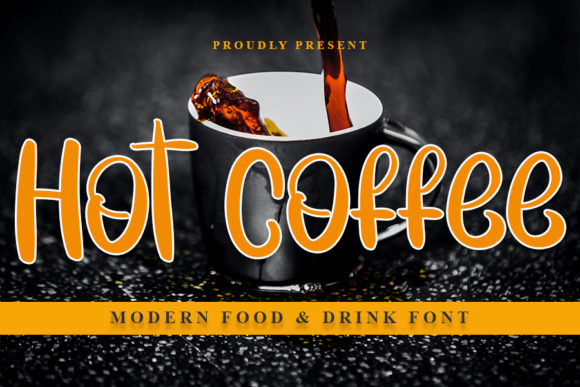
Hot Coffee: A Gentle Font for Creative Projects
Hot Coffee is a relaxed and flowing handwritten font that brings a sense of warmth and personality to any design. Whether you're working on branding, invitations, or digital content, this font adds a joyful and romantic touch that can elevate your projects. Its natural, hand-drawn style makes it ideal for a wide range of creative applications, from logos to social media posts.
Understanding Hot Coffee
Hot Coffee is more than just a typeface—it's a tool that helps designers and content creators express emotion and character in their work. Designed with fluid strokes and soft curves, it mimics the look of handwriting, giving text an organic feel. This makes it particularly well-suited for projects that require a personal or artistic flair.
As a font, Hot Coffee is versatile. It can be used in both digital and print formats, making it a valuable asset for professionals in graphic design, marketing, and web development. Its readability is balanced with aesthetic appeal, ensuring that it remains functional while adding visual interest.
Challenges and Goals in Design
Designers often face the challenge of creating content that stands out while maintaining professionalism. In many cases, the goal is to communicate a message clearly while also evoking an emotional response. This is where fonts like Hot Coffee come into play—they help bridge the gap between functionality and creativity.
For instance, if you're designing a wedding invitation, you want the text to feel personal and heartfelt. Using Hot Coffee can help achieve this by giving the invitation a warm, handwritten appearance that feels more intimate than a standard sans-serif font. Similarly, if you're working on a brand identity that emphasizes approachability and charm, Hot Coffee can reinforce those values through its visual style.
How Hot Coffee Addresses Design Needs
One of the main benefits of using Hot Coffee is its ability to add a unique touch to otherwise standard designs. It’s especially effective in situations where the goal is to create a connection with the audience. For example, in marketing materials aimed at younger demographics, the casual and friendly look of Hot Coffee can resonate well and make the brand feel more relatable.
Additionally, Hot Coffee is useful for projects that require a sense of nostalgia or authenticity. Its hand-drawn quality gives it a timeless feel that can be appealing in various contexts, such as retro-themed websites, vintage-style packaging, or personal blogs.
Practical Applications of Hot Coffee
The versatility of Hot Coffee allows it to be used in a variety of practical applications. Here are some common scenarios where this font shines:
- Branding: Use Hot Coffee for logos, taglines, or slogans that need to convey warmth and approachability.
- Invitations: Apply it to event invites, wedding cards, or birthday messages to give them a personal, handwritten look.
- Social Media: Incorporate Hot Coffee into captions, headers, or promotional posts to enhance visual appeal and engagement.
- Web Design: Add it to headings, buttons, or call-to-action elements to create a friendly and inviting user experience.
- Print Materials: Use it in flyers, posters, or brochures for a visually appealing and professional finish.
When choosing Hot Coffee for these purposes, it’s important to consider how it pairs with other design elements. For example, pairing it with clean, modern sans-serif fonts can create a nice contrast and balance. Additionally, using it sparingly ensures that the overall design remains legible and focused.
Considerations for Different Users
While Hot Coffee is suitable for a wide range of users, different individuals may approach its use in distinct ways. A graphic designer might focus on integrating it into a larger brand identity, while a small business owner could use it for simple marketing materials. A blogger might prefer it for headlines and titles to add a personal touch to their content.
No matter the user, it’s essential to maintain a consistent visual theme. If you're using Hot Coffee in a multi-page website or across different platforms, ensure that it complements other design choices without overwhelming the viewer.
Another consideration is scalability. While Hot Coffee looks great in smaller sizes, it’s best to avoid using it for long blocks of text, as this can reduce readability. Instead, reserve it for short phrases, headings, and accents that benefit from its unique style.
Getting Started with Hot Coffee
If you're new to using Hot Coffee, start by experimenting with it in simple projects. Try incorporating it into a few different design elements to see how it works for your specific needs. Many font resources offer free or paid versions of Hot Coffee, so be sure to check licensing agreements before using it commercially.
Once you've become familiar with its characteristics, you can begin to explore more complex applications. Consider combining it with other fonts, colors, and layout techniques to create a cohesive and visually striking design.
Ultimately, Hot Coffee is a powerful tool that can help bring personality and warmth to your creative projects. By understanding its strengths and limitations, you can use it effectively to meet your design goals and deliver content that resonates with your audience.