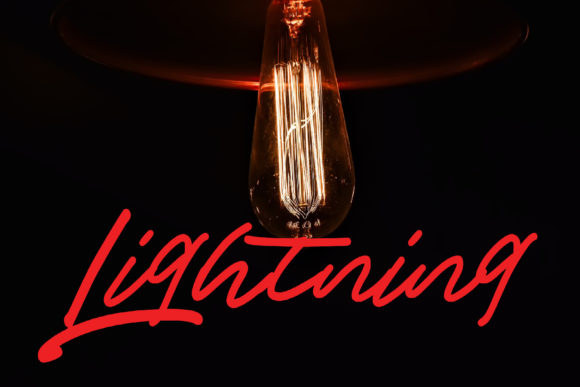
Lightning: A Handwritten Font That Adds Personality to Your Designs
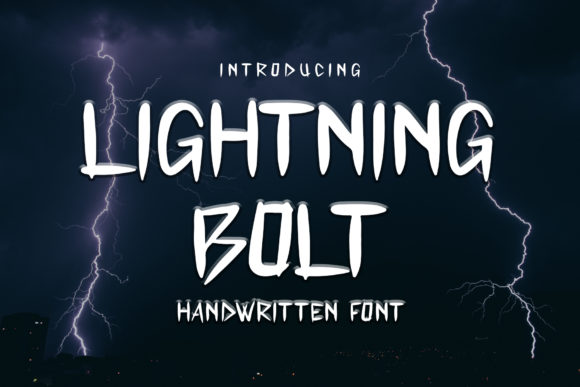
Lightning is a casual, fun handwritten font that brings a sense of spontaneity and charm to any design project. Created using a brush pen, this font has a clean yet quirky appearance that makes it stand out in a sea of more formal typefaces. Whether you're working on branding materials, social media posts, or DIY crafts, Lightning offers a unique visual identity that can elevate your creative work.
The Unique Appeal of Lightning
What sets Lightning apart from other fonts is its natural, hand-drawn feel. Unlike rigid sans-serif or serif fonts, Lightning mimics the irregularities of real handwriting, making it feel more personal and approachable. This characteristic makes it especially well-suited for projects that aim to convey warmth, creativity, or a sense of community.
Designed with a focus on readability while maintaining an artistic flair, Lightning strikes a balance between being legible and expressive. It’s not overly stylized to the point where it becomes difficult to read, which is a common pitfall with many decorative fonts.
Key Features of Lightning
- Casual Style: Lightning’s organic look gives it a friendly, conversational tone that works well for informal communication.
- Brush Pen Texture: The font's texture mimics the flow of ink from a brush pen, adding depth and visual interest.
- Versatile Use: With its clean lines and playful curves, Lightning can be used in both digital and print formats without losing quality.
- Consistency Across Platforms: Lightning maintains its integrity across different devices and screen sizes, ensuring consistent presentation.
Who Can Benefit from Using Lightning?
Lightning is ideal for professionals and hobbyists who want to add a touch of personality to their work. Marketers and brand designers will appreciate how it can help create a memorable visual identity that feels authentic. Social media managers and content creators can use it to make captions and headlines more engaging and visually appealing.
Freelancers and entrepreneurs looking to build a strong personal brand may find Lightning particularly useful. Its casual yet professional aesthetic aligns well with creative industries such as graphic design, illustration, and photography. Educators and publishers might also consider it for children’s books, educational materials, or interactive learning tools where a friendly tone is desired.
For small business owners, Lightning can be an excellent choice for logos, signage, and packaging. It adds a human element to branding that can help connect with customers on a more personal level.
Real-World Applications
In practice, Lightning performs well in various scenarios. For example, a local bakery might use it for menu boards and promotional flyers to create a warm, inviting atmosphere. A boutique clothing store could incorporate it into their website headers and social media posts to reflect a youthful, trendy vibe.
On digital platforms, Lightning works effectively in email signatures, blog headers, and mobile app interfaces. Its readability ensures that important information remains clear even when styled creatively.
However, it’s worth noting that Lightning may not be the best choice for long-form text or documents that require strict typographic rules. It shines most in short bursts of text where style and character are more important than absolute precision.
Evaluating Quality and Usability
When assessing the quality of Lightning, several factors come into play. The font’s design is clean and well-crafted, with attention to detail that enhances its overall appeal. Each letterform is carefully shaped to maintain consistency while allowing for subtle variations that mimic natural handwriting.
Usability is another key consideration. Lightning is easy to install and integrate into design software, and it works seamlessly with popular tools like Adobe Photoshop, Illustrator, and Canva. Its compatibility with web-based platforms means it can be used in online projects without technical hurdles.
Flexibility is one of Lightning’s greatest strengths. It can be paired with more traditional fonts to create contrast or used alone for a cohesive, unified look. This adaptability makes it a versatile asset in a designer’s toolkit.
Despite its strengths, there are some limitations to consider. Because it is a handwritten font, it may not be suitable for all contexts. For instance, it might not be appropriate for legal documents, academic papers, or other formal communications where a more serious tone is required.
Practical Recommendations
If you're considering using Lightning for your next project, start by evaluating the context and audience. Ask yourself whether the font aligns with the message you want to convey. If your goal is to create something playful, approachable, or creative, Lightning is an excellent choice.
Experiment with different combinations and layouts to see how Lightning interacts with other elements in your design. Test it in both digital and print formats to ensure it looks good across all mediums. Keep in mind that while it adds visual interest, it should never compromise clarity or readability.
For best results, pair Lightning with a complementary font that provides structure and contrast. This will help maintain visual harmony while allowing the handwritten font to shine in the right places.
Long-Term Value and Creative Potential
Investing in a font like Lightning can offer long-term value for creatives who want to maintain a consistent visual identity across multiple platforms. Its versatility allows it to be reused in various projects, reducing the need to constantly search for new fonts.
From a creative standpoint, Lightning encourages experimentation and personal expression. It invites users to think beyond conventional typography and explore new ways to communicate ideas through design. This makes it particularly valuable for those who want to push boundaries and develop a unique artistic voice.
While Lightning may not be the perfect fit for every project, its ability to add character and personality makes it a worthwhile addition to any designer’s collection. By understanding its strengths and limitations, you can make informed decisions about when and how to use it effectively.
Ultimately, Lightning is more than just a font—it’s a tool that can help bring your creative vision to life. Whether you're designing a logo, crafting a social media post, or working on a DIY project, it offers a fresh perspective that can enhance your work in meaningful ways.