Sefilya: A Handwritten Font That Balances Elegance and Modernity
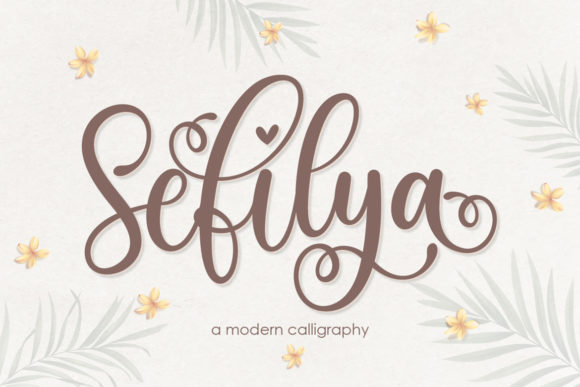
Sefilya is an elegant and flowing handwritten font that brings a unique blend of traditional calligraphy and contemporary design to the table. Designed with attention to detail, it features a varying baseline, smooth lines, and a rich set of glyphs and alternates that make it ideal for creative projects requiring a personal and artistic touch. As a PUA encoded font, users can easily access all of its special characters and swashes, giving them full control over their typographic choices.
What Makes Sefilya Stand Out?
Sefilya distinguishes itself through its ability to maintain a classic calligraphic feel while adapting to modern design sensibilities. Unlike many other script fonts that may appear overly ornate or difficult to read, Sefilya offers a balance between legibility and visual appeal. This makes it suitable for both decorative and functional use cases.
The font's varying baseline adds a natural rhythm to the text, making it more dynamic than standard fonts. Its smooth, flowing lines give it a sense of movement, which can be particularly effective in branding, invitations, or any project that requires a personal signature-like quality.
One of the key features of Sefilya is its comprehensive set of glyphs and alternates. These include stylistic variations that allow designers to customize their text without needing to switch fonts. The PUA encoding ensures that these characters are accessible through standard font editors, providing flexibility and ease of use.
How Does Sefilya Compare to Other Handwritten Fonts?
When evaluating Sefilya against other similar fonts, it's important to consider how each one approaches the balance between elegance and practicality. Many script fonts lean heavily toward either tradition or modernity, but Sefilya manages to walk the line effectively.
Fonts like Brush Script MT offer a more casual, informal look that works well for signatures or short phrases but may lack the sophistication needed for longer texts. In contrast, Sefilya maintains a level of refinement that allows it to perform well even in extended passages.
Another popular option is Garamond Premier Pro, which is more of a serif font with some script elements. While it provides excellent readability, it doesn't offer the same organic feel as Sefilya. For projects that require a handwritten aesthetic without sacrificing clarity, Sefilya is often a better choice.
Compared to digital handwriting fonts like Comic Sans MS, Sefilya has a more polished appearance. It avoids the informal and sometimes unprofessional look associated with Comic Sans, making it more appropriate for a wider range of applications.
Best Use Cases for Sefilya
Sefilya is best suited for projects where a touch of elegance and personality is desired. Some common use cases include:
- Branding and logos: The font’s unique style can help create a memorable brand identity that stands out from competitors.
- Wedding invitations and event cards: Its flowing lines and graceful curves make it perfect for creating a romantic and inviting atmosphere.
- Book covers and titles: Sefilya can add a touch of sophistication to book titles, especially in genres like romance, fantasy, or historical fiction.
- Website headers and banners: When used sparingly, Sefilya can enhance the visual appeal of web content without overwhelming the user experience.
- Personalized stationery and greeting cards: Its handwritten feel makes it ideal for creating custom messages that feel more personal and thoughtful.
However, due to its script nature, Sefilya may not be the best choice for body text in long documents or websites that prioritize readability above all else. In such cases, pairing it with a more conventional sans-serif or serif font would be advisable.
Strengths and Tradeoffs of Using Sefilya
One of the main strengths of Sefilya is its versatility. Whether you're designing a logo, creating a marketing brochure, or crafting a wedding invitation, this font can adapt to various contexts while maintaining its distinct character.
Another advantage is its accessibility. Because it is PUA encoded, users can easily access and apply the special glyphs and swashes without needing additional tools or plugins. This makes it user-friendly for both beginners and experienced designers.
Despite these advantages, there are also tradeoffs to consider. The script nature of Sefilya means that it may not be as readable as a standard sans-serif or serif font, especially at smaller sizes or on screens with lower resolution. Additionally, because it is a handwritten font, it may not be suitable for formal or highly technical documents where a more professional look is required.
Designers should also keep in mind that Sefilya may not be compatible with all platforms or software. While it works well with most modern design tools, it’s always a good idea to test it across different environments before finalizing a project.
When to Choose Sefilya and When to Opt for Alternatives
Sefilya is an excellent choice when you want to convey a sense of elegance, creativity, or personalization. If your project requires a unique and artistic touch, this font can help elevate the overall design.
On the other hand, if you need a font that prioritizes readability and professionalism, you might want to consider alternatives such as Helvetica Neue, Georgia, or Arial. These fonts are designed for maximum legibility and are often preferred in academic, business, or technical contexts.
For those looking for a more modern take on script fonts, options like Bebas Neue or Lato offer a cleaner, more geometric approach that may be better suited for certain design styles.
In summary, Sefilya is best used in situations where a balance between aesthetics and functionality is important. It shines in creative and expressive projects but may not be the best fit for purely utilitarian purposes.
Conclusion
Sefilya is a remarkable font that successfully combines the charm of traditional calligraphy with the clean lines of contemporary design. Its unique characteristics, including a varying baseline, smooth lines, and extensive glyph set, make it a versatile choice for a wide range of creative projects.
While it may not be the best option for every situation, Sefilya offers a compelling alternative to more conventional fonts when a touch of elegance and personality is desired. By understanding its strengths and limitations, designers can make informed decisions about whether it's the right font for their specific needs.