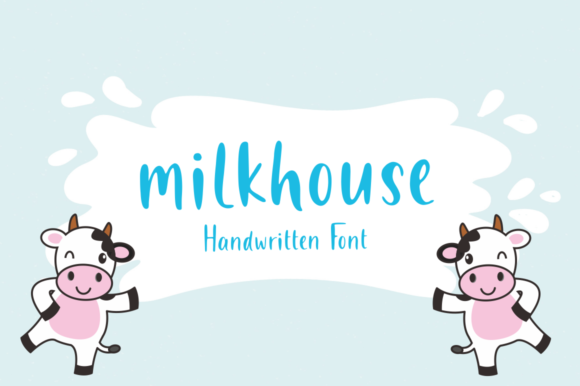
The Rise of Milkhouse: A Handwritten Font That’s Capturing Creative and Professional Imaginations
In an era where digital communication dominates, the human touch in design is becoming increasingly valuable. Enter Milkhouse, a sweet and friendly handwritten font that has been quietly making waves across creative industries. With its natural and unique style, Milkhouse is not just another typeface—it's a reflection of evolving design aesthetics and the growing demand for authenticity in visual storytelling.
Milkhouse is a font that feels personal, almost like a note scrawled by a friend. Its organic curves and gentle strokes evoke warmth and approachability, making it incredibly versatile for a wide range of applications. From branding to web design, this font has found a place in the hearts of professionals, creators, entrepreneurs, marketers, freelancers, and enthusiasts alike.
What Makes Milkhouse Stand Out?
At first glance, Milkhouse may seem like just another handwritten font. However, what sets it apart is its ability to blend seamlessly into both modern and traditional design contexts. Unlike many other script fonts that can feel overly ornate or difficult to read, Milkhouse maintains a balance between elegance and legibility. This makes it suitable for everything from logos and headlines to body text in digital interfaces.
One of the key features of Milkhouse is its versatility. It can be used in a variety of formats—print, web, mobile—and still retain its charm. Whether you're designing a business card, creating a website, or crafting social media content, Milkhouse adds a personal touch without sacrificing professionalism.
Why Is Milkhouse Gaining Attention?
The increasing popularity of Milkhouse can be attributed to several factors. First, there's a growing trend towards minimalism and authenticity in design. Consumers are more likely to engage with brands that feel genuine and relatable. In this context, Milkhouse offers a way to communicate that sense of authenticity through typography.
Second, the rise of remote work and digital collaboration has led to a greater emphasis on visual communication. As more professionals rely on digital tools to convey their ideas, the need for clear yet expressive typography has never been higher. Milkhouse meets this need by providing a font that is both readable and visually appealing.
Third, the font aligns with broader industry trends that prioritize user experience (UX) and user interface (UI) design. In these fields, typography plays a crucial role in shaping how users interact with digital products. Milkhouse's clean lines and soft curves contribute to a more pleasant reading experience, which is essential for maintaining user engagement.
Milkhouse in the Broader Design Landscape
The design world is constantly evolving, and with it comes a shift in how we perceive and use typography. In recent years, there has been a noticeable move away from rigid, formal fonts in favor of more expressive and personality-driven typefaces. This shift is particularly evident in branding, where companies are seeking to differentiate themselves through unique visual identities.
Milkhouse fits perfectly into this trend. Its handwritten style gives it a sense of intimacy and individuality, making it ideal for brands that want to connect with their audience on a more personal level. For example, a boutique coffee shop might use Milkhouse in its logo and marketing materials to create a warm, inviting atmosphere that resonates with customers.
Moreover, Milkhouse's adaptability allows it to be used in various creative fields beyond traditional branding. In web design, it can enhance the readability of call-to-action buttons or navigation menus. In graphic design, it can add character to illustrations or infographics. Even in editorial design, Milkhouse can be used to highlight key points or create a more engaging reading experience.
How Milkhouse Reflects Changing Consumer Preferences
Consumer preferences are shifting towards experiences that feel personal and meaningful. This is especially true in the digital space, where users are bombarded with information and often seek out content that stands out. In this context, Milkhouse offers a way to create content that feels more human and less automated.
For instance, social media influencers and content creators are using Milkhouse to add a personal touch to their captions, bios, and posts. The font's friendly and approachable nature helps them build stronger connections with their followers. Similarly, entrepreneurs and small business owners are leveraging Milkhouse to create brand assets that feel more authentic and trustworthy.
This shift in consumer behavior is also reflected in the growing demand for customizable and flexible design tools. As more people take control of their own branding and marketing efforts, they are looking for fonts that can be easily adapted to different platforms and formats. Milkhouse meets this demand by offering a font that is both aesthetically pleasing and technically sound.
Practical Applications of Milkhouse
Let's explore some practical examples of how Milkhouse can be used in real-world scenarios:
- Branding: Use Milkhouse in logos, packaging, and promotional materials to create a warm and welcoming brand identity.
- Web Design: Incorporate Milkhouse into headings, buttons, and call-to-action elements to improve readability and user engagement.
- Social Media: Apply Milkhouse to captions, stories, and bios to add a personal touch and stand out in a crowded feed.
- Print Design: Use Milkhouse in invitations, brochures, and posters to create a more intimate and memorable impression.
- Content Creation: Add Milkhouse to blog posts, newsletters, and e-books to make the text more engaging and visually appealing.
These examples demonstrate how Milkhouse can be integrated into various aspects of design and marketing. Its versatility makes it a valuable tool for professionals who want to create content that is both functional and aesthetically pleasing.
Connecting Milkhouse to Larger Developments
The rise of Milkhouse is not just about typography—it's part of a larger movement towards authenticity, personalization, and emotional connection in design. As technology continues to advance, the need for human-centered design becomes more important than ever. Fonts like Milkhouse help bridge the gap between digital and human experiences, making it easier for designers to create content that resonates with audiences on a deeper level.
Furthermore, the growing emphasis on mental health and well-being in the workplace has led to a greater appreciation for designs that promote calmness and positivity. Milkhouse, with its soft and friendly appearance, contributes to this trend by creating a more soothing and inviting visual environment.
In conclusion, Milkhouse is more than just a font—it's a reflection of changing design trends, consumer preferences, and the increasing importance of authenticity in visual communication. As professionals and creatives continue to seek ways to stand out in a competitive market, Milkhouse offers a powerful tool for creating content that is both meaningful and memorable.